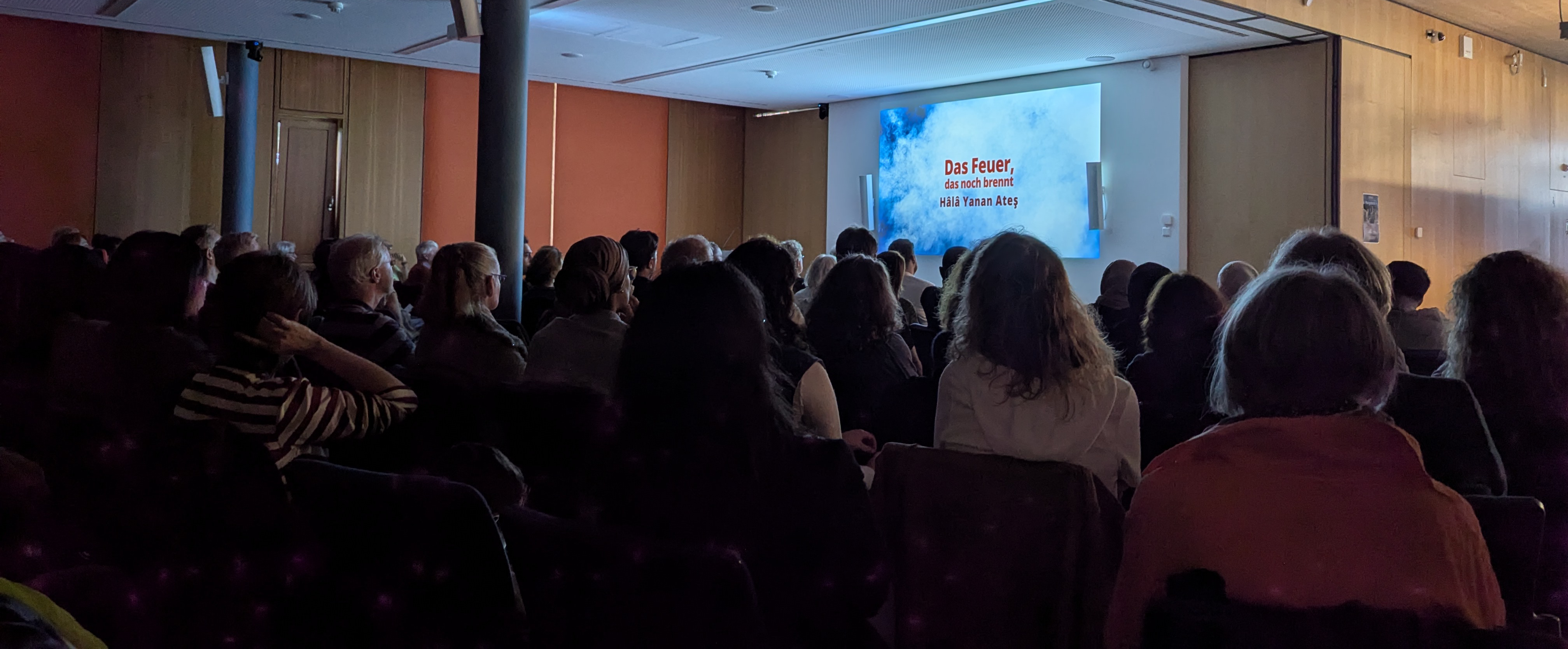
About suffering. About grief. About the impossibility of forgetting. And about the will to live with dignity nonetheless – without hatred.
On the night of 16 October 1996, a fire was set in a rear building at Markgrafenstraße 41 in Karlsruhe. Fethiye and Alahittin Yilmaz and Hüseyin Evcim died in the attack. The arson attack has never been solved.
Thirty years later, this documentary asks: what is it like to live with the trauma of an arson attack for which there is still no justice? How is the pain passed on — from parents to children, from one generation to the next?
At its centre are five women and two men — Damla, Elvin, Fatma, Selma, Aynur, Kenan and Ergün — whose lives are marked by the events of that night and who are nonetheless determined to live with dignity and without hatred, here in Germany.
One attack. Three dead. No perpetrator.
Thirty years of silence — and a family that cannot forget.

… desperately wanted to stay overnight at her grandparents’ that night, but was not allowed to. She learned as a small child what loss means. She is grateful to her parents for not raising her with racist ideas.

… spent much of her early childhood with her grandparents and remembers them as deeply warm-hearted. Despite everything, her memory of them is a positive one. She now has children of her own and tries to pass none of the trauma of the attack on to them.

… as a daughter-in-law, she only really came to know and love her husband’s parents in Germany. On the night of the fire her father-in-law had been with them. She rarely speaks of her own pain, but she speaks of sleepless nights and of fear for her children.

… lived for several years at Markgrafenstraße 41, together with her parents-in-law. There was never any friction, she says, and she was very happy. Since 1996 she has worked hard to hold the family together. She makes sure the attack does not dominate everything.

… as the daughter of Fethiye and Alahittin Yilmaz, she is convinced that this was without doubt a racially motivated attack — at a time of many attacks on Turkish people in Germany.

… as the youngest son of Fethiye and Alahittin Yilmaz, he lived for sixteen years after the attack in grief and heaviness — until his daughter was born. But even after that things only went downhill, at least as he feels it. He simply cannot get past it.

… as the eldest son, he remembers above all the conversations with his father. It mattered greatly to him that the children live decently and do nothing wrong in German society. After the attack he had to take medication for six months. He cannot forget his father.

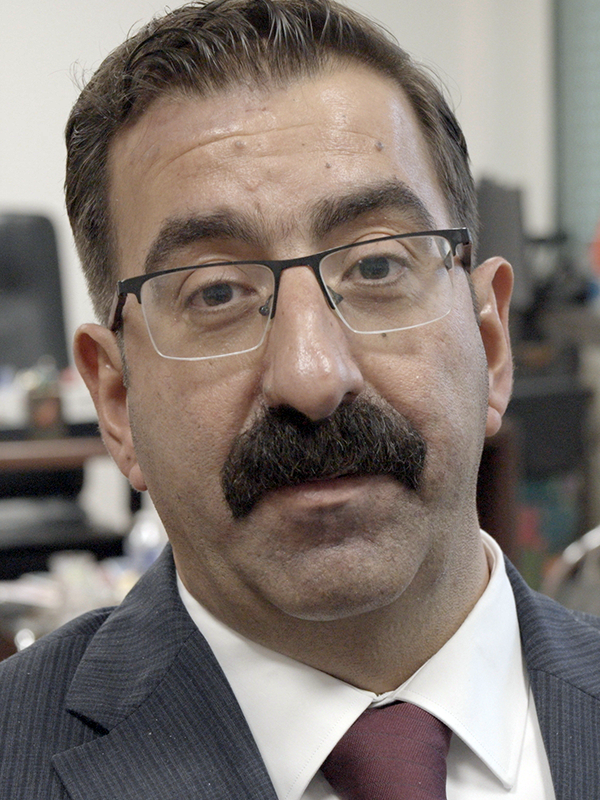
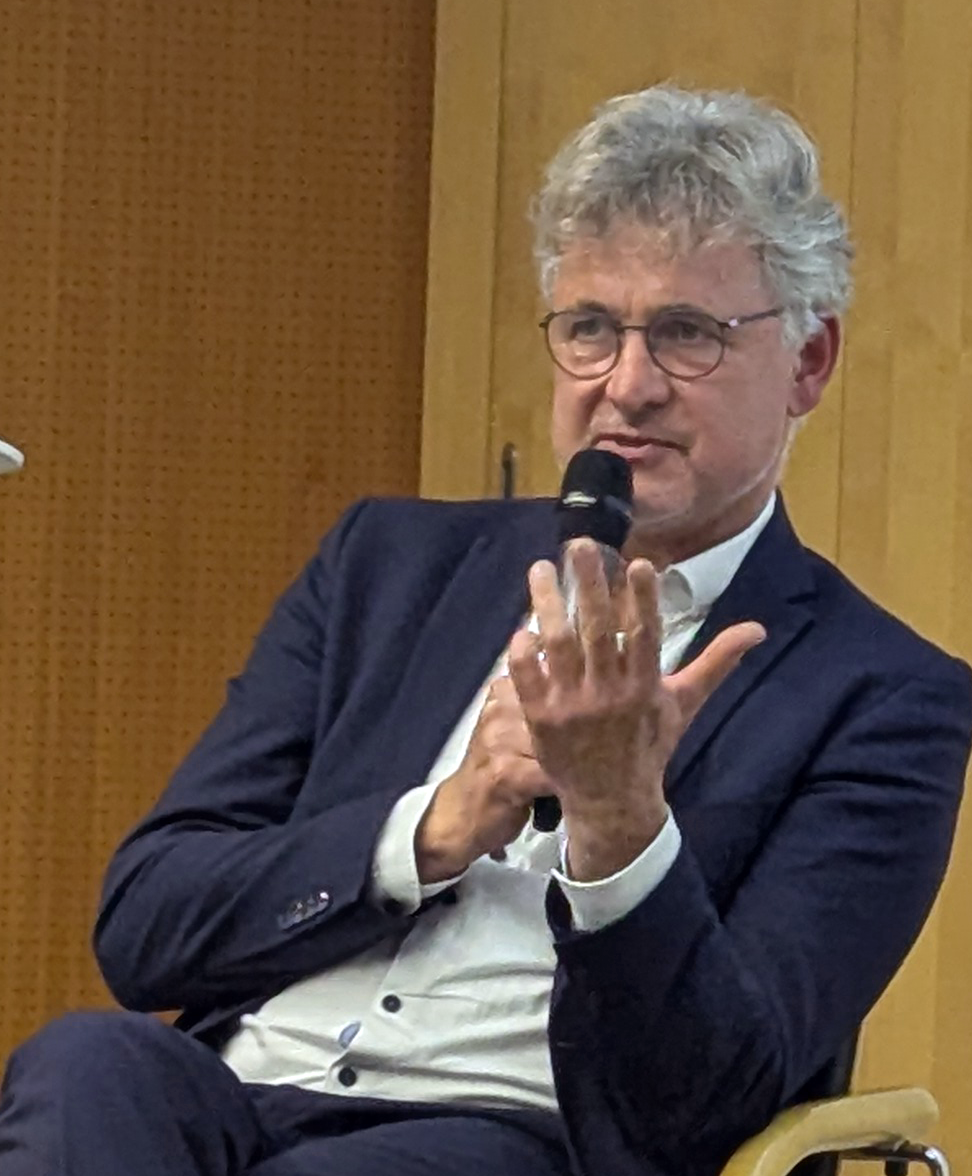
… expected an official duty at the unveiling of the memorial stele. Then the victims’ descendants stood before him, and the deep grief of an entire family — across generations — took hold of him. It moved me deeply, he says.

… took office three years ago as Turkish Consul General for Baden and soon came across a crime no one spoke of any more. No memorial, no commemoration – as if nothing had ever happened. What an entire city had forgotten, he found again.

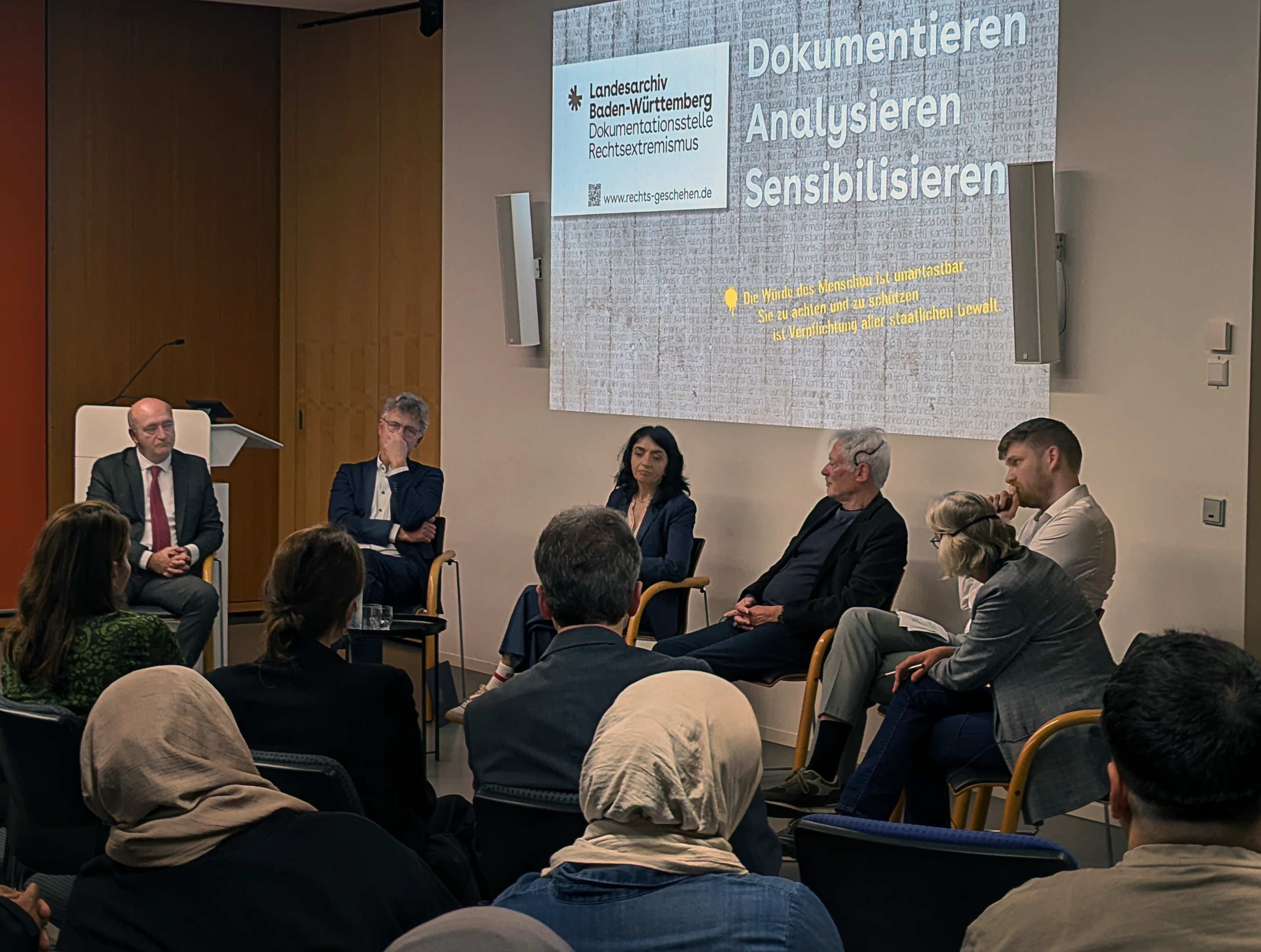
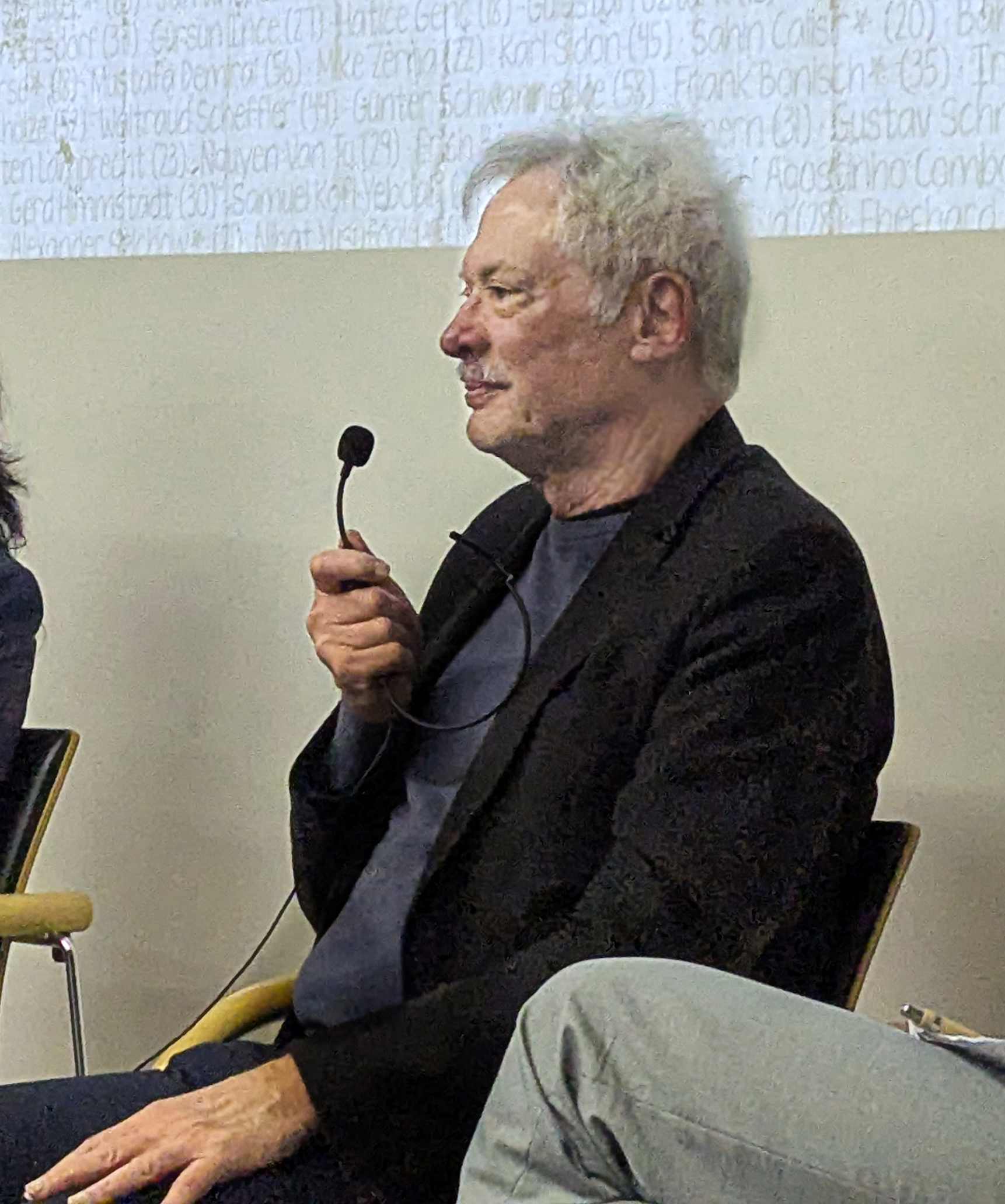
… collects and documents — out of professional and personal conviction — what is held on the shelves of DokRex at the state archive. Precisely what a society would rather suppress. Without memory, he says, a democracy forgets how vulnerable it is.

… suspected a far-right attack immediately in 1996, after the events in Mölln and Solingen. He criticises the one-sidedness of the police, who announced very quickly that there was “no evidence of third-party involvement” — at a point when almost nothing had been investigated.

… is critical that in 1999, when the investigation was closed unsolved, it warranted no more than a short news item. It should have been given far more space at the time, together with the question of whether further inquiries were still possible.
That day I badly wanted to sleep over at my grandparents’. But my mother insisted that I not stay there – because of school.
In the former rear building of Markgrafenstraße 41, the married couple Fethiye and Alahittin Yilmaz and Hüseyin Evcim died in an arson attack on the night of 16 October 1996, at around 4:00 a.m.
The crime was never solved.
The dead remain unforgotten.
Karlsruhe, January 2026
For many years a television journalist for ARD, ARTE, SWR and Deutsche Welle. Correspondent in Mexico and Latin America, and frequently on assignment in the Middle East. Produces documentaries, corporate films and journalistic content on one principle: only honest media has lasting effect.
“Markgrafenstraße 41” is a personal project — born of the conviction that preserved memory is a form of justice when the legal kind fails to arrive.
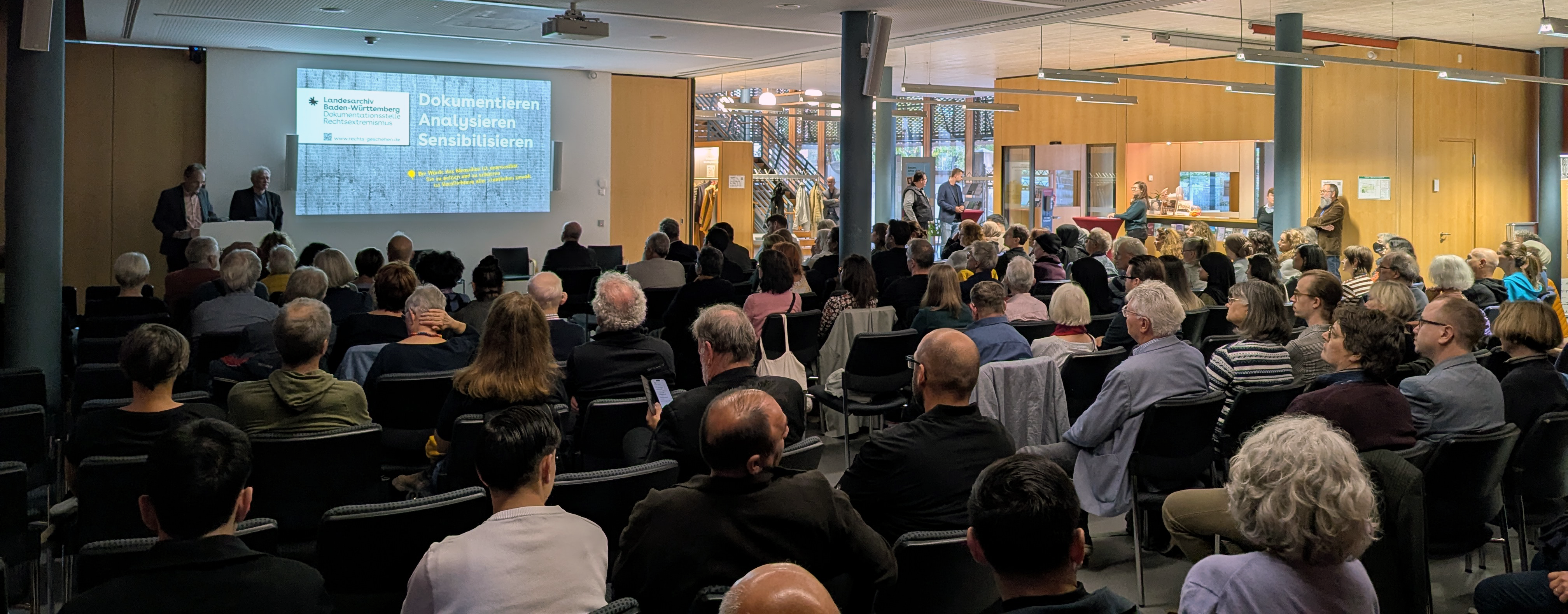
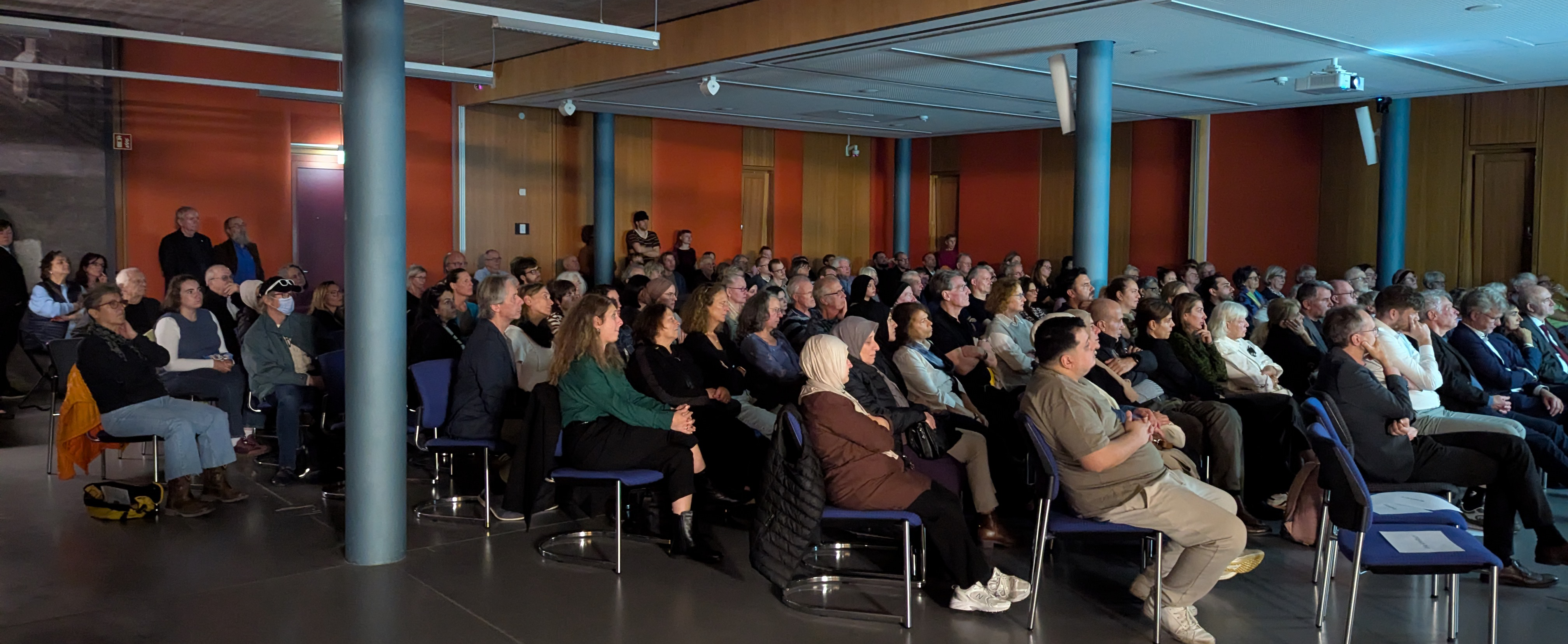
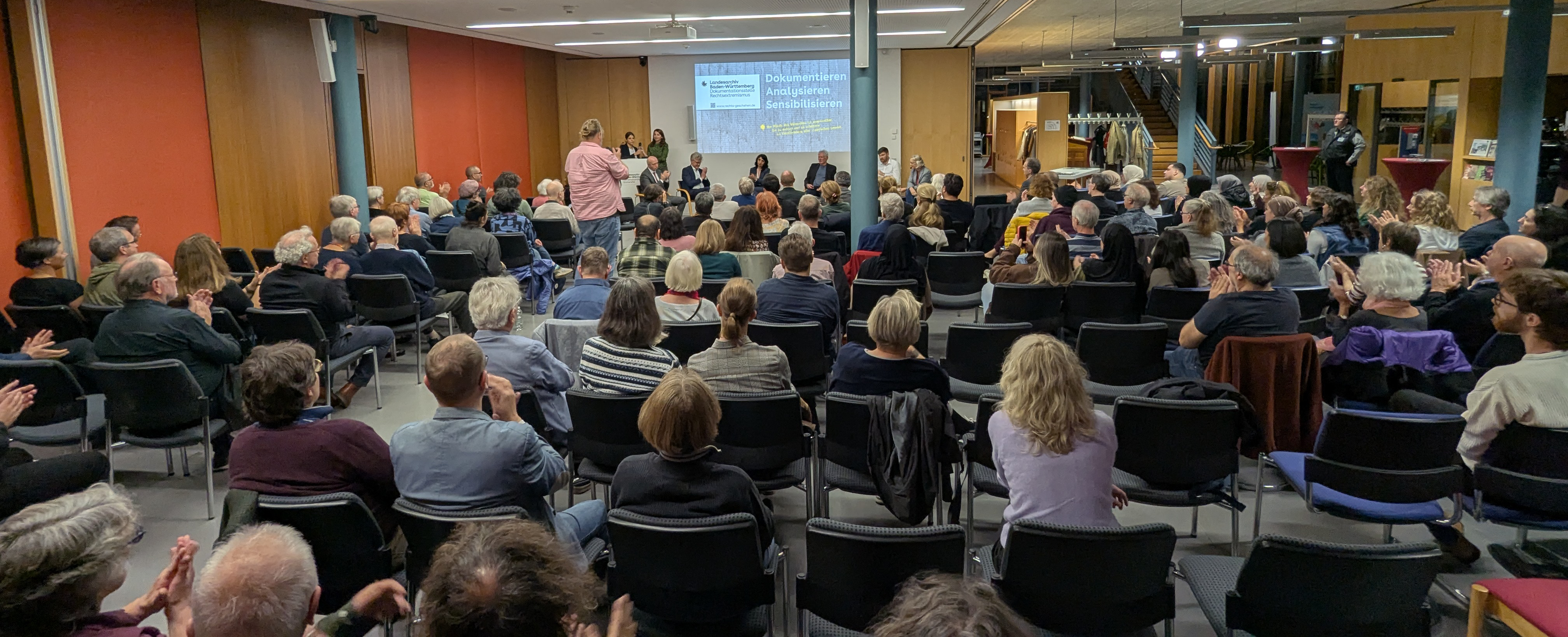
Venue: Generallandesarchiv with DokRex
Nördl. Hildapromenade 3, 76133 Karlsruhe
Time: 6 p.m.
Limited seating · Registration required